Car care
Affordable Vehicle Maintenance in Springtown, TX
A practical way to prioritize needed service, compare estimates, and plan the next visit.
Keeping a vehicle dependable on a limited budget starts with knowing what it needs now and what can be planned. The lowest advertised service price does not answer that question on its own. Vehicle specifications, maintenance history, and inspection findings all matter.
Anchor Automotive helps Springtown drivers organize vehicle maintenance around their actual vehicle and use. Here is a practical way to prepare for a visit and make informed decisions without treating every recommendation as equally urgent.
Start with records and the correct maintenance schedule
Bring your mileage, service records, and any known gaps in the history. The owner’s manual provides the starting schedule for the exact vehicle. Driving conditions may determine whether its normal or severe-use schedule applies.
Tell the shop about towing, frequent idling, dusty roads, short trips, or regular stop-and-go use. Avoid applying a generic mileage chart to every oil, filter, coolant, and transmission service. Different vehicles can require different fluids, procedures, and intervals.
If the history is missing, say so. An unknown service history calls for a discussion and inspection; it does not prove that every maintenance item must immediately be repeated. Our Texas maintenance planning guide explains how operating conditions fit into the schedule.
Ask the shop to explain priorities
A useful recommendation tells you what was found, why it matters, and what would change its urgency. Ask for three separate groups:
- Safety or immediate operating concerns: Conditions that may make continued driving unsafe or risk damage.
- Maintenance due now: Work supported by the manufacturer’s schedule, records, or inspection findings.
- Items to monitor or plan: Conditions that need a future check or an agreed service date.
The categories must come from the vehicle’s condition, not a preset sales list. If you cannot complete all recommended work at once, ask which sequence makes sense and what risks remain. A smaller budget does not make an unsafe condition safe to postpone.
For changed braking, overheating, an oil-pressure warning, or other loss of safe operation, stop in a safe place and arrange help instead of continuing to drive until a convenient appointment.
Compare the complete service scope
When checking prices, confirm the year, make, model, engine, and service being quoted. An oil-change offer may cover a specific oil quantity. A filter package may depend on fitment. A brake offer may apply to one axle and exclude certain brake packages.
Before approving work, ask:
- Which parts, fluids, quantities, and labor are included?
- Does the fluid meet the vehicle’s required specification?
- Are inspection charges, supplies, taxes, or fees listed separately?
- What requires another approval if additional work is found?
- What warranty applies to the quoted work?
The FTC’s auto repair guidance recommends understanding the estimate and maintenance requirements before work begins. A complete written estimate makes it easier to compare equivalent services and decide what to authorize.
Use current offers for work the vehicle actually needs
Check Anchor Automotive’s current service offers when planning a visit. Confirm vehicle eligibility, the included work, and whether the offer can be combined with another discount. Specials and package details can change.
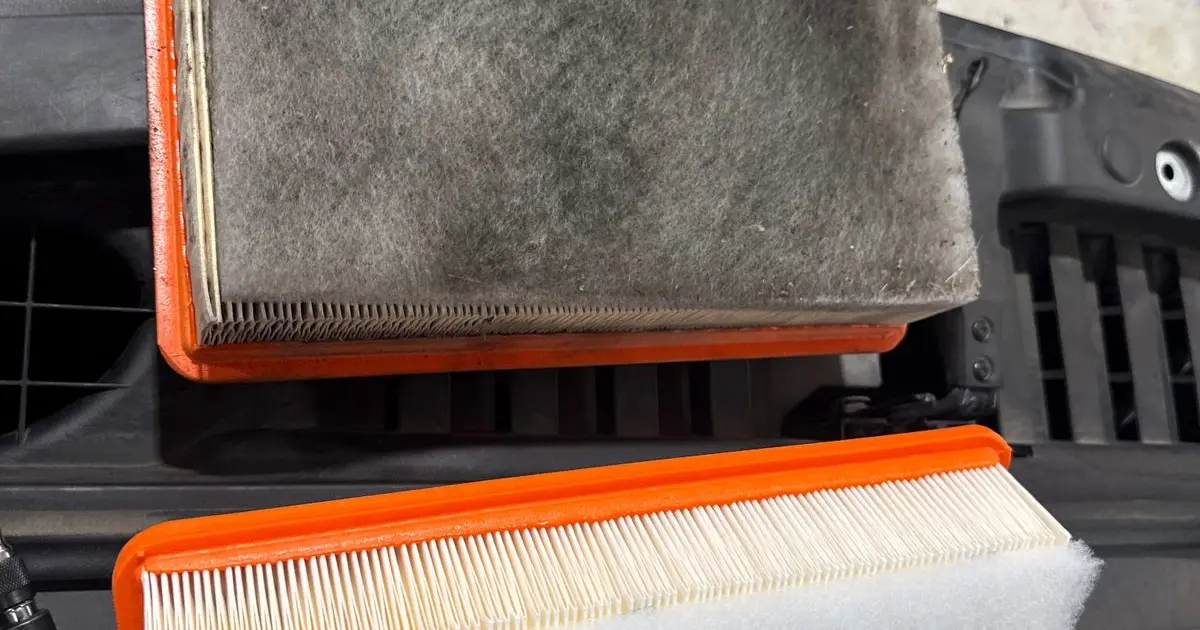
A bundle can be convenient when its included services are appropriate for your vehicle. It is still worth checking the maintenance history and the condition of the filters or components involved. Ask about the complete out-the-door estimate rather than assuming the advertised price covers every possible finding.
Keep simple observations between visits
You do not need to perform complex repairs to provide useful information. Watch for warning messages, new noises, visible leaks, changes in starting, or a noticeable change in fuel use. Record what you observe and when it happens.
Follow the owner’s manual for any fluid-level check. Procedures vary, and some systems have no owner-serviceable dipstick. Never remove a hot cooling-system cap. If you are unsure how to check something safely, ask the shop to show you the correct process for your vehicle.
Leave with a plan for the next visit
Keep the repair order and record the date and mileage. Ask which maintenance item is next, what interval or condition triggers it, and whether a future inspection is needed. A short list tied to your vehicle is easier to budget for than a long list of generic services.
Maintenance can help identify wear and address required service, but it cannot guarantee that a vehicle will never break down. The useful goal is a clear record and fewer avoidable gaps in care.
Frequently asked questions
Should every fluid be flushed at the same mileage?
No. Follow the vehicle-specific requirements and discuss the appropriate procedure. A flush is not automatically the correct service for every system or vehicle.
Does a dirty-looking fluid always need replacement?
Appearance alone is not a complete service decision. The fluid type, schedule, condition, and any symptoms should be considered together.
Can I bring maintenance records from another shop?
Yes. Those records help establish what has already been done and make the next service discussion more useful.
Can I ask for priorities before approving the full estimate?
Yes. Ask the shop to explain the findings, urgency, and proposed sequence so you can make an informed decision.
Plan maintenance in Springtown
Call 682-302-0540 or request an appointment online. Anchor Automotive is at 7551 N FM 51, Springtown, TX 76082. Bring your mileage and service history; the shop will confirm appointment availability.