Which diesel trucks do you service?
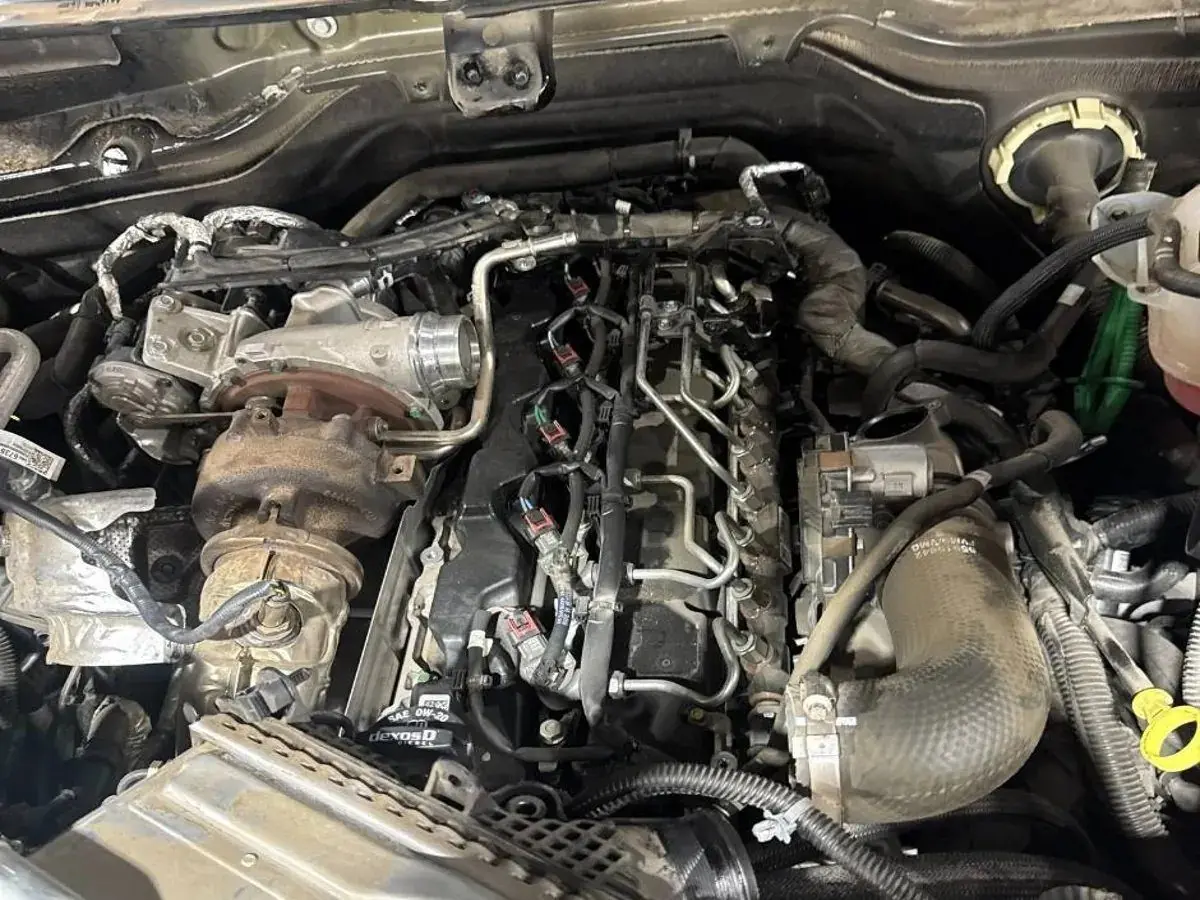
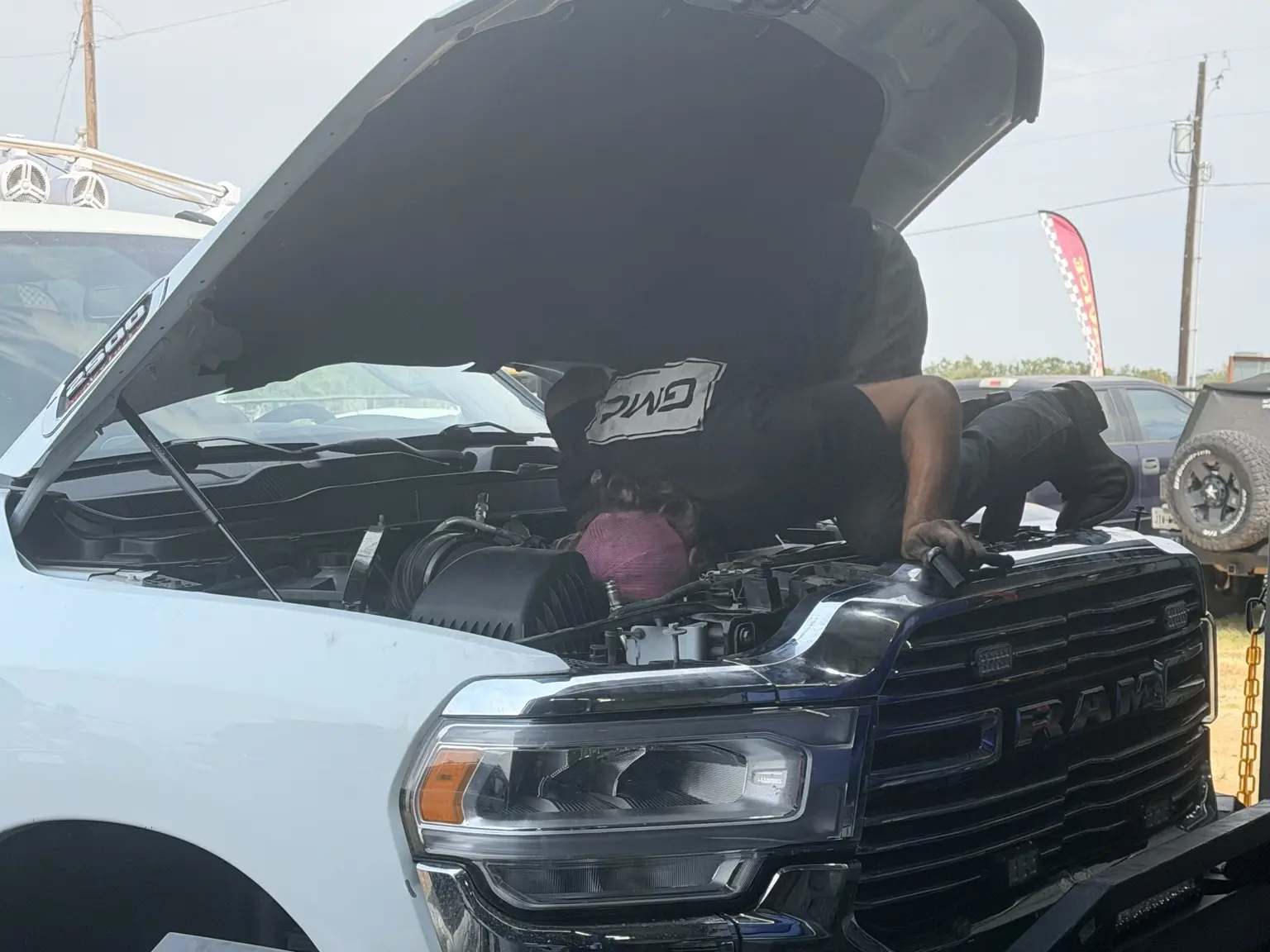
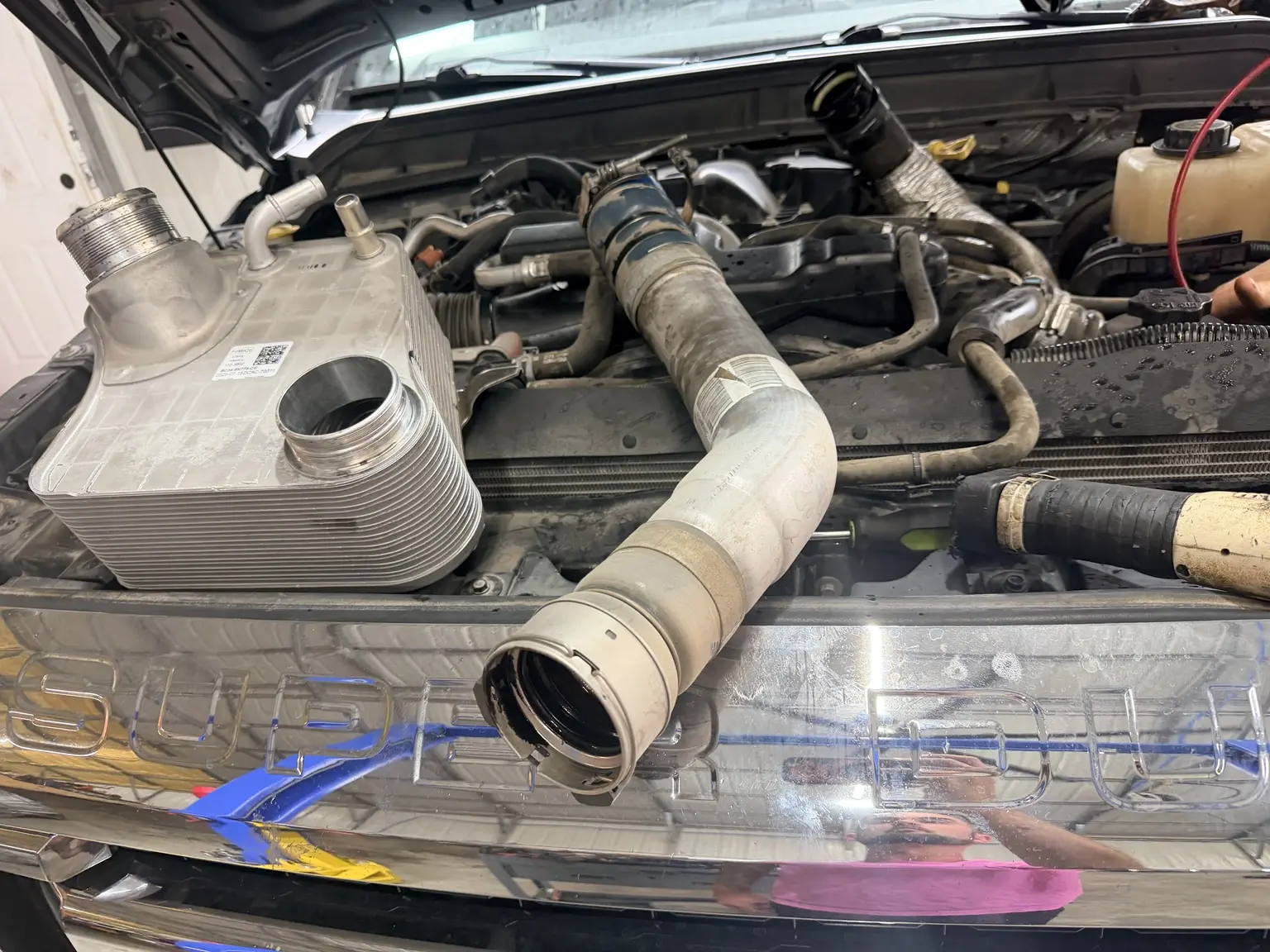
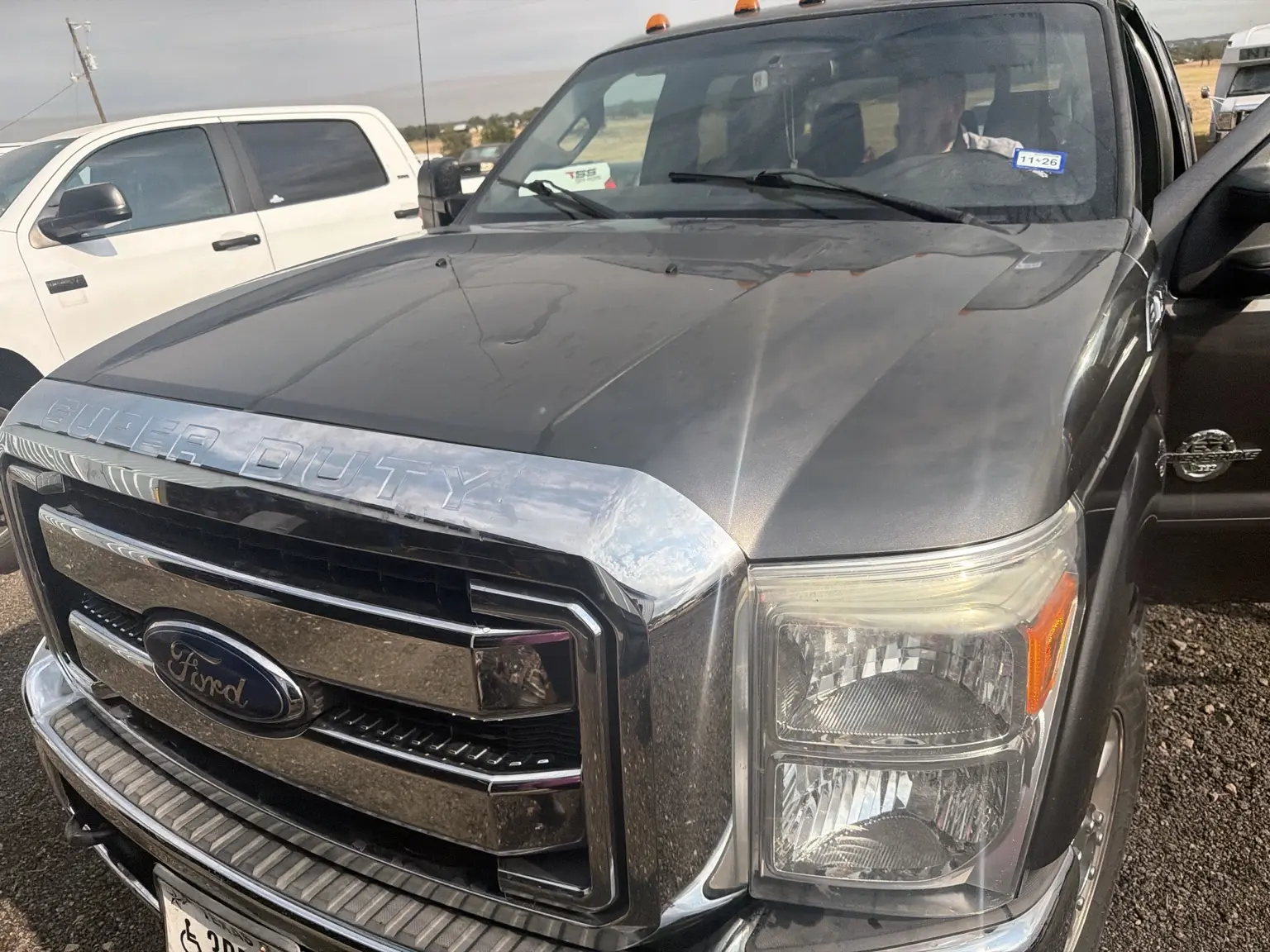
We work on Ford F-250 and F-350 Power Stroke, Ram 2500 and 3500 Cummins, and Chevrolet Silverado or GMC Sierra 2500HD and 3500HD Duramax pickups where the application and repair are within shop capabilities.
What does diesel smoke color mean?
Smoke color is a clue, not a diagnosis. Black smoke may involve airflow, boost, fueling, or combustion; white smoke may involve incomplete combustion, fuel, or coolant; blue smoke generally indicates oil entering combustion. Testing is required before recommending parts.
Can you diagnose a diesel derate or reduced-power condition?
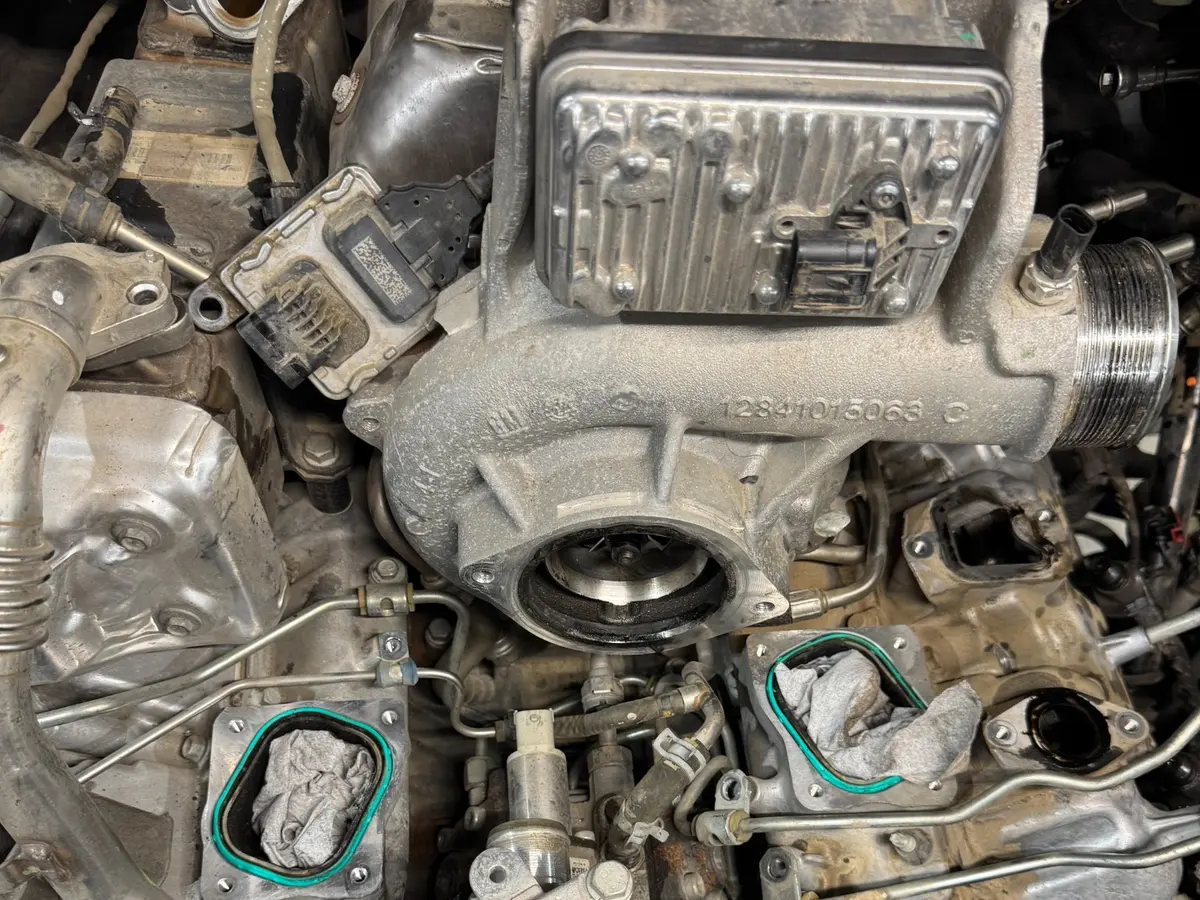
Yes. We review fault codes and operating data, reproduce the condition when possible, and test the affected fuel, boost, electrical, cooling, engine, or emissions system.
How often should diesel fuel filters be changed?
Follow the manufacturer schedule for the specific truck. Severe-duty use, water contamination, questionable fuel, or poorly maintained bulk storage may justify earlier service.
What can cause fuel contamination?
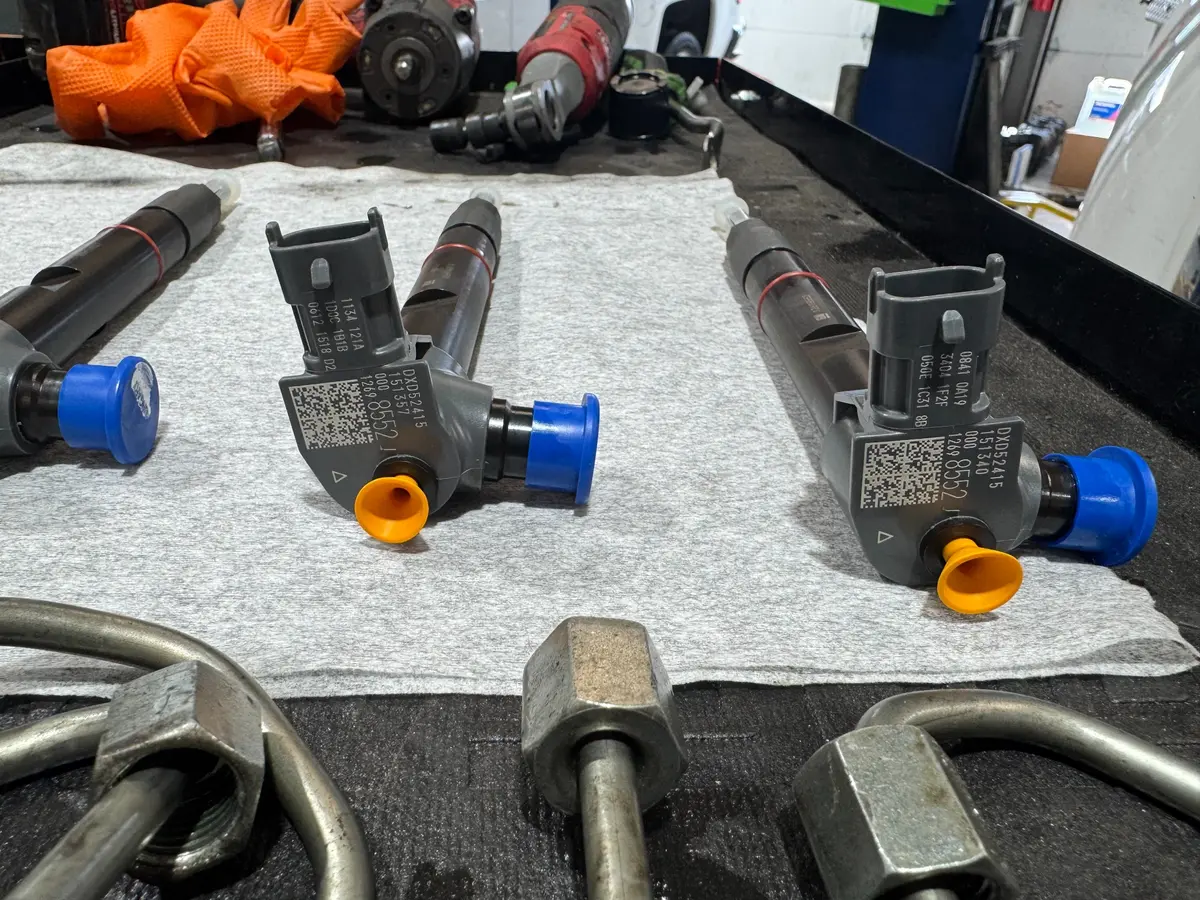
Water intrusion, contaminated fuel, debris, or poorly maintained storage tanks can damage or disrupt high-pressure diesel fuel systems. The correct repair depends on test results and the extent of contamination.
How long should a diesel engine last?
Many properly maintained diesel engines can achieve very high mileage. Actual longevity depends on engine design, maintenance history, operating conditions, towing, idle time, fuel quality, and how quickly problems are corrected.
Do you work on diesel fleet vehicles?
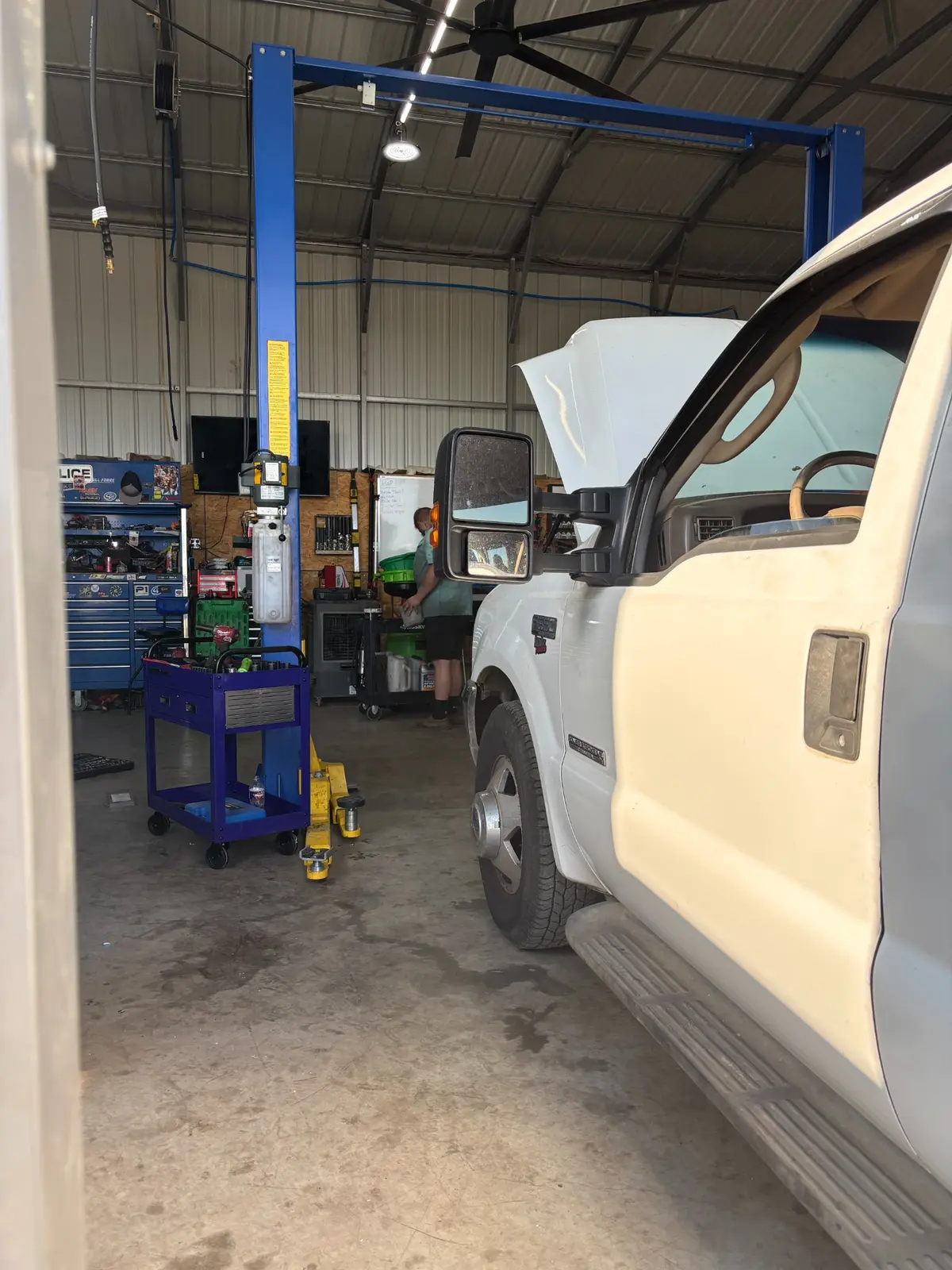
Yes. We provide diagnostics, repair, maintenance, inspection documentation, and service planning for local diesel work trucks and small fleets.
Is diesel emissions-system diagnosis the same as state emissions testing?
No. We diagnose diesel emissions-system faults as a repair service. We do not perform state emissions testing or provide emissions inspections for vehicle registration.