Car care
Commercial Fleet Maintenance in Springtown, TX
A practical setup guide for local businesses managing gas and diesel work vehicles.
When several people depend on the same work vehicles, maintenance can become a communication problem as much as a mechanical one. A driver notices a warning, an owner approves repairs, and a dispatcher needs to know when the vehicle can return. Without a shared process, useful information gets lost.
Anchor Automotive works with local businesses on fleet maintenance and repair in Springtown, TX. This guide focuses on setting up that relationship: the records to bring, the decisions to make, and the questions that help the shop plan service for your vehicles.
Start with a vehicle list the shop can use
A spreadsheet or shared document is enough to begin. Give each vehicle a unit number and record its year, make, model, engine, VIN, mileage, and primary driver. Add its typical job: local deliveries, commuting between job sites, towing, or hauling tools.
Include available maintenance history and recent repair orders. Mark missing records as unknown instead of assuming the work was completed. For vehicles with an engine-hour display, record that reading as well; mileage alone may not describe a truck that spends substantial time idling.
Before scheduling a larger vehicle, confirm its weight class, dimensions, equipment, and requested work with the shop. Fleet service does not mean every commercial vehicle or specialty system fits the same facility.
Choose who can authorize work
Name a primary contact and a backup. Tell the shop whether the driver can approve an inspection, whether the owner must approve repairs, and whether a purchase-order number is required on the invoice.
Discuss these items at the start:
- The approved diagnostic or inspection scope for the visit.
- Who receives photos, findings, and the estimate.
- Who can authorize a change in scope and how that approval is recorded.
- How quickly the business can respond during the workday.
- Where completed repair orders and invoices should be sent.
Written approval limits are useful only when both sides understand what they include. Do not assume that a previous approval applies to an unrelated concern or a later visit. Clear approval steps help keep the repair moving without losing control of the budget.
Match maintenance to each vehicle’s workload
Use the manufacturer’s schedule for the exact vehicle, then consider whether its operating conditions call for the manufacturer’s severe-use schedule. Towing, frequent idling, dusty roads, and short trips can matter. A single oil, filter, or transmission-fluid interval should not be applied to an entire mixed fleet without checking the requirements.
Ask the shop to separate the plan into maintenance that is due, conditions that need inspection, and items to monitor. A recommendation should identify its basis: the service schedule, a measured condition, a symptom, or a previous unresolved finding.
Our fleet downtime planning guide covers scheduling and vehicle rotation in more detail.
Give drivers a simple way to report changes
Make reporting easy enough that it actually happens. A short message with the unit number, mileage, symptom, and time of occurrence is a useful starting point. Ask drivers to record the exact dashboard message and whether the vehicle was cold, warm, loaded, or towing.
Use a consistent report format:
- Vehicle: Unit number and current mileage.
- Concern: What changed and when it first appeared.
- Conditions: Speed, load, temperature, and whether the issue repeats.
- Previous work: Any recent service related to the concern.
- Availability: When the vehicle can be left at the shop.
Drivers should report safety concerns immediately. A maintenance appointment several days away is not a reason to keep operating a vehicle with impaired braking, overheating, suspected fuel leakage, or another condition that makes it unsafe.
Agree on updates and a return-to-service handoff
Explain when the vehicle is needed, but leave room for diagnosis and parts availability. Ask when the initial update is expected and who will communicate changes. The time spent actively testing a vehicle can be different from the total time it remains at the shop.
At completion, review the work performed and any remaining recommendations. Record the service date, mileage or engine hours, parts and fluids used, and next planned service. Keep warranty information with the repair order for that vehicle.
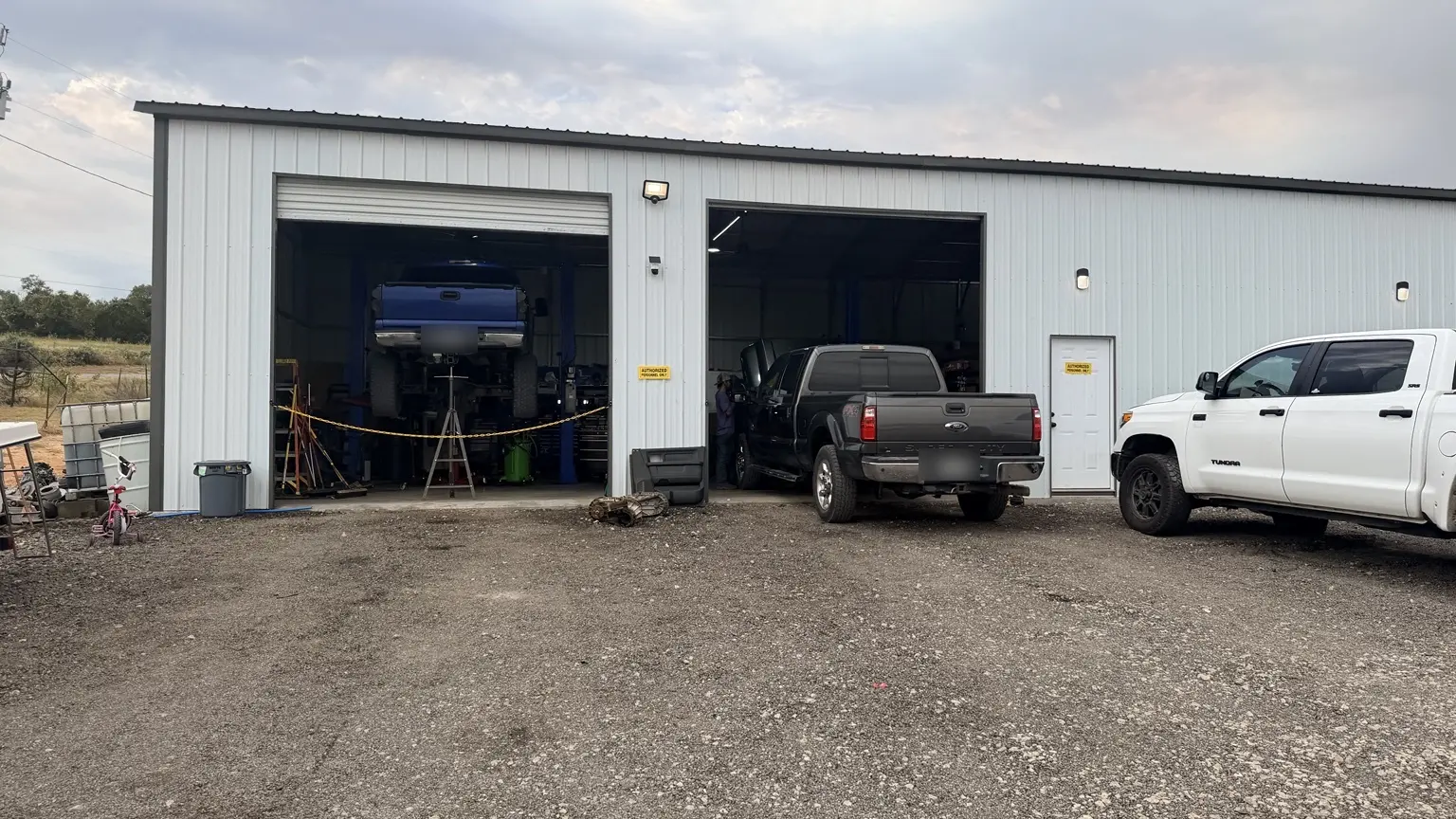
Anchor Automotive’s fleet work is performed at the shop. Discuss drop-off, pickup, vehicle suitability, and scheduling directly; do not assume a fleet arrangement includes mobile service, emergency response, or guaranteed turnaround.
Frequently asked questions
Is a small business with two or three vehicles a fleet?
You can still use a fleet process. A vehicle list, an approval contact, and organized service records are useful even with a small number of work vehicles.
Can gas and diesel vehicles use the same maintenance plan?
They can use the same recordkeeping process, but service requirements must be set by vehicle, engine, and operating conditions.
Should every vehicle visit on the same day?
Discuss shop availability and your operating needs. Staggered appointments may fit better when several vehicles must remain available for work.
What if a driver reports a problem that the shop cannot reproduce?
Provide the conditions and any safely recorded evidence. Agree on the next testing step and its approval before authorizing parts solely on a guess.
Start a fleet service conversation
Call 682-302-0540 with your vehicle list and priorities, or request an appointment online. Anchor Automotive is at 7551 N FM 51, Springtown, TX 76082. The shop will confirm vehicle suitability, scope, and appointment availability.