Car care
Professional Brake Service in Springtown, TX
What a brake inspection should answer, how to compare repair estimates, and when to stop driving.
Brake noise, a shaking pedal, or a change in stopping distance deserves attention. The right repair starts with inspecting the vehicle and explaining the findings, because similar symptoms can have different causes.
At Anchor Automotive in Springtown, brake service begins with understanding your complaint and checking the system. Here is what to expect from the visit, what to ask about the estimate, and how to recognize a situation that calls for immediate help.
Put driving safety ahead of the appointment
If braking ability is reduced, the pedal sinks or feels unusually soft, the vehicle is difficult to control, or you suspect a brake-fluid leak, stop in a safe location and arrange transport. Smoke, a strong burning smell near a wheel, or a wheel that appears overheated also calls for stopping and getting help. Letting it cool does not establish that the vehicle is safe to drive again.
A dashboard brake warning needs interpretation using the vehicle’s owner’s manual and the symptoms present. If a warning appears along with changed braking behavior, do not keep driving to see whether it clears. Contact the shop before bringing the vehicle in.
Describe the symptom without guessing the part
Tell the service team when the problem occurs. Does it happen at the first stop of the day, after several stops, at highway speed, or while towing? Does the steering wheel shake, the pedal pulse, or the vehicle pull to one side?
Note recent brake or suspension work, impacts, and any warning messages. A brief description helps the technician choose an inspection path. Noise alone does not establish that pads are worn out, and a vibration does not automatically mean the rotors need replacement. Wheel bearings, suspension, and brake operation may need to be considered together.
Our guide to brake noise, vibration, and pulling explains common complaints in more detail.
What the inspection should establish
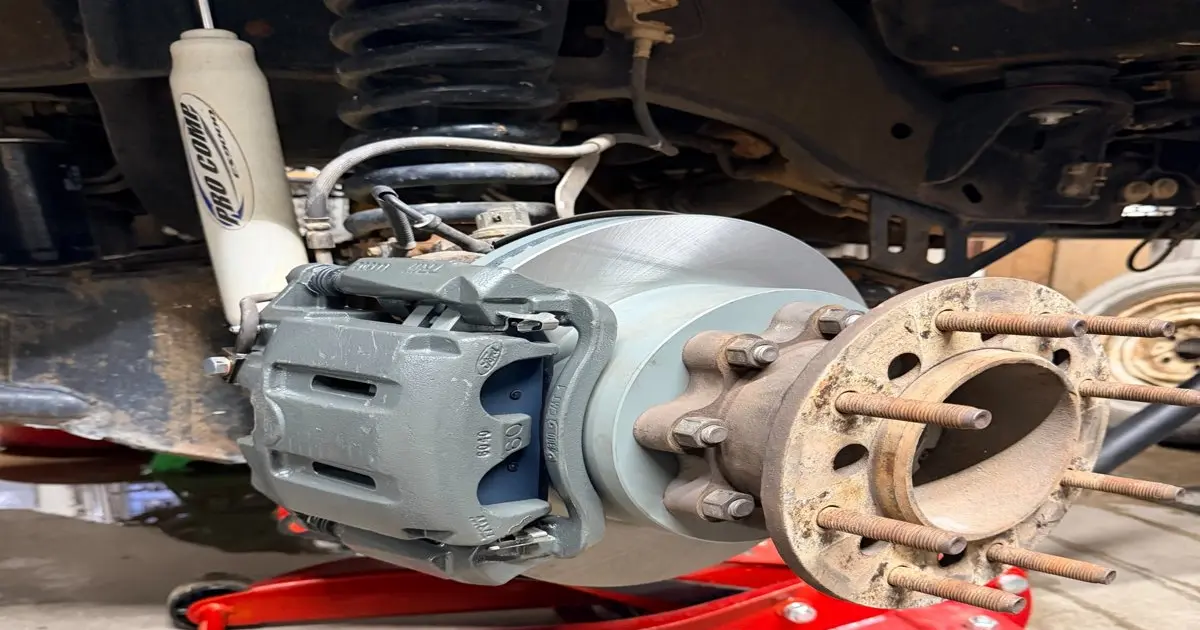
The exact inspection depends on the vehicle and complaint. Useful findings can include remaining friction material, rotor condition and thickness, caliper operation, hose and line condition, signs of leaks, and relevant electronic faults.
- Measurements: Ask for the pad measurements and the applicable rotor limits when those affect the recommendation.
- Wear patterns: Uneven wear may point to an underlying issue that new pads alone will not resolve.
- Related components: Ask whether hardware, calipers, hoses, or other parts need attention and why.
- Fluid service: Discuss the vehicle’s maintenance requirements and findings rather than relying on one universal replacement interval.
Brembo’s rotor guidance explains why thickness is measured and compared with the applicable minimum. A visual impression is not a substitute for the measurements needed to make a repair decision.
Compare complete estimates, not a headline price
Two brake quotes can cover different work. One may include pads only; another may include rotors, hardware, fluid work, or required electronic service procedures. Compare the scope before comparing totals.
Ask these questions before authorizing work:
- Is the quote for one axle or both?
- Which parts are included, and what supports replacing each one?
- Are required labor procedures, supplies, taxes, and fees included or listed separately?
- What happens if an additional issue is found after disassembly?
- What warranty applies to this repair?
Check our current service offers for available brake specials. Confirm eligibility for your vehicle and the complete estimate before booking a special; truck size, brake package, and other needed repairs can affect what is covered.
Plan the repair around how the vehicle is used
A commuter car, a family SUV, and a pickup that regularly tows may have different brake equipment and operating demands. Give the shop those details when scheduling. Mention any aftermarket brake components so the correct parts and procedures can be considered.
Ask when the initial inspection is expected and how the shop will contact you. Parts availability and the findings can change completion time. Keep your phone available for the estimate and any additional approval requests.
Before pickup, ask what work was completed, whether anything still needs attention, and whether the installed parts require specific break-in instructions. Follow the instructions provided for your particular repair.
Frequently asked questions
Can squeaking brakes wait?
The sound alone cannot establish urgency. Arrange an inspection, describe any change in braking, and avoid driving if stopping or control is affected.
Do rotors need replacement with every pad change?
That decision depends on their measurements, condition, manufacturer requirements, and the repair being performed. Ask what the inspection showed.
Does every brake warning mean the same thing?
No. A parking-brake indicator, hydraulic-system warning, and ABS warning can mean different things. Check the owner’s manual and report the exact message or symbol.
Can I request an estimate before the inspection?
The shop may be able to discuss a service or offer, but the final repair scope depends on the vehicle and findings. Confirm inspection charges and approval steps when scheduling.
Book brake service in Springtown
See our brake repair services, call 682-302-0540, or request an appointment online. Anchor Automotive is at 7551 N FM 51, Springtown, TX 76082. Appointment requests are subject to shop confirmation.