how-to
Why Car Diagnostics Take Time: A Springtown Driver’s Guide
Understand testing time, intermittent problems, and the updates to expect before approving a repair.
A code reader can display a fault in minutes. Finding out why that fault occurred may take longer. That difference can be frustrating when you need your vehicle back, but it is useful to understand what the shop is testing and what the next decision will be.
At Anchor Automotive in Springtown, vehicle diagnostics starts with the concern you report. The goal is to gather enough evidence to recommend a repair, explain the findings, and get your approval for any additional work.
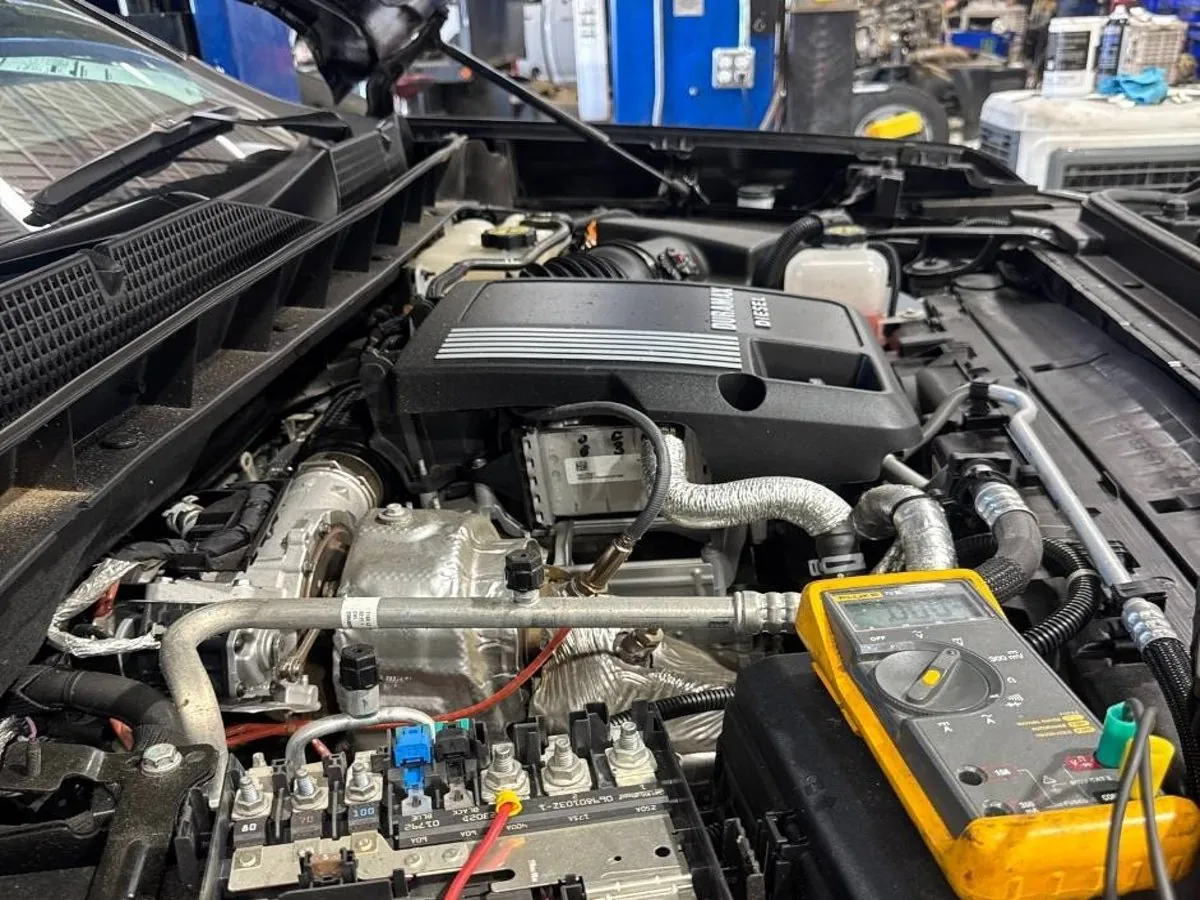
A fault code is a clue, not a parts order
The vehicle’s computers monitor signals and operating conditions. When a condition falls outside the expected range, a code may be stored. The code can point toward a system or circuit without identifying the single failed part.
For example, a cylinder misfire code describes a detected event. The cause could involve ignition, fuel delivery, a mechanical condition, or another issue affecting combustion. The next test should help distinguish the possibilities. Replacing a component just because its name appears in a code can leave the original problem unresolved.
Delphi’s ignition diagnosis guidance illustrates the importance of checking connections, supply conditions, and related evidence when investigating an ignition complaint.
Active testing time differs from time at the shop
Your vehicle may be at the shop longer than the time a technician spends actively working on it. A cold-start problem may require the engine to cool. A concern that occurs only under specific conditions may need an appropriate road test. Some tests require access to components before measurements can be made.
There can also be time between steps for an estimate, your approval, or parts availability. Those are different from diagnostic labor. Ask the shop to distinguish the initial testing allowance from the expected update time and the likely repair schedule.
A useful question is: “What will the initial testing cover, and when should I expect to hear what you found?” It creates a clear checkpoint without assuming that every vehicle can be diagnosed in the same amount of time.
Intermittent problems need better clues
A vehicle that acts normally during its appointment can still have a real problem. An electrical connection may fail only with heat or vibration, or a symptom may occur only after the vehicle sits overnight. The technician needs evidence from the conditions where the fault appears.
You can help by recording:
- Whether the engine was cold or warm.
- Approximate speed, load, weather, and fuel level when relevant.
- The exact warning message and how long it remained.
- How often the problem occurs and what seems to make it stop.
- Recent repairs, battery issues, accessories, or other changes.
Take photos or video only when safely parked. Do not try to reproduce an unsafe condition. Share previous codes without clearing them before the visit, because stored information may help guide the investigation.
How diagnostic approval works at Anchor Automotive
The initial diagnostic service is $99.99 for one hour focused on one concern. The fee is waived when the repair is approved. If the concern requires additional testing, or another concern needs to be addressed, the shop contacts you by call or text for approval.
That initial hour defines the starting scope. It does not guarantee that every intermittent electrical problem, internal engine concern, or multiple-system fault will be resolved within an hour.
When additional testing is recommended, ask what has been established, what still needs to be ruled out, and what the next step is expected to clarify. You should understand the proposed scope before authorizing it.
Previous repairs are useful history
Bring invoices for earlier attempts to fix the same complaint. Include the parts replaced, the symptoms before and after, and whether anything improved temporarily. A replacement part is useful information, but it does not automatically rule out that part, its installation, wiring, or the conditions affecting it.
If the concern continues after earlier work, our guide to repeat repair problems explains how to organize the history for another diagnostic visit.
What to ask before approving the repair
Ask the shop to connect the evidence to the recommendation. What failed a test? How does that explain your complaint? What is included in the estimate, and what will be checked after the repair?
Repair verification depends on the original concern and what can be reproduced safely. Some problems require further monitoring under the conditions in which they first appeared. Ask about any remaining recommendations, warranty coverage for the specific repair, and what to do if the symptom returns.
Frequently asked questions
Why can’t the shop quote every diagnostic job in advance?
The initial scope can be explained in advance, but the findings may reveal the need for additional testing. That next step should be discussed and approved.
Does a longer visit always mean a major repair?
No. A small electrical fault can take time to isolate, while a larger failure may be obvious sooner. Testing time and repair cost are different questions.
Can a scan replace hands-on inspection?
No. Scan information may need to be checked against physical measurements, wiring condition, mechanical checks, or other evidence.
Should I keep driving while waiting for diagnostics?
That depends on the symptoms and the vehicle’s instructions. If braking, steering, temperature, oil pressure, or safe operation is affected, stop safely and arrange assistance rather than continuing to test it yourself.
Schedule a diagnostic visit in Springtown
Call 682-302-0540 or request an appointment online. Anchor Automotive is at 7551 N FM 51, Springtown, TX 76082. Share the symptoms and vehicle details so the shop can confirm the appointment and initial testing scope.